Salt Block Scallops with Szechuan Peppercorns and Citrus

Sichuan Citrus Shrimp and Scallops

Dave DeWitt Leave a Comment

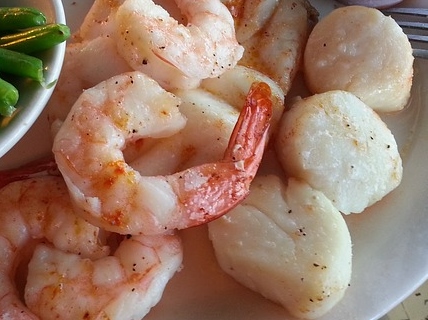
The first food I prepared with a salt block was a Sichuan citrus scallop and shrimp appetizer (this could also be an entrée if you increase the number of shrimp and scallops per serving). Following the manufacturer’s recommendations I placed the dry, room temperature salt block on an unheated grill and turned the grill on to its lowest temperature allowing the salt block to warm gently (this also removes any moisture that might be on the block). Then I slowly increased the grill’s temperature until the salt block reached the desired temperature… for me the process took about 45 minutes until the block reached 550 degrees F. The key is to slowly increase the temperature otherwise the block may shatter.

Read the entire article on salt block cooking by Mike Stines here.

Ingredients

Eight dry-packed sea scallops, “catch” removed and rinsed
Eight large (U-21) shrimp, peeled and deveined
3 tablespoons fresh lime juice, divided
2 tablespoons fresh lemon juice
1 tablespoon crushed Sichuan peppercorns (or more to taste)

2 tablespoons olive oil
2 tablespoons finely shredded lime and lemon peel for garnish

Instructions

Combine 1 1/2 tablespoons of the lime juice, the lemon juice, peppercorns and olive oil in a small container. Add the shrimp and scallops and marinate, refrigerated, for one hour. Drain the seafood and discard the marinade.

Prepare the salt block for high-heat direct cooking (500 to 600 degrees F.) and cook the shrimp and scallops for two minutes. Turn and cook another two to three minutes or until done. Using tongs remove the shrimp and scallops from the block and divide the shrimp and scallops onto two warmed serving plates.

Garnish the seafood with the lime and lemon peel and drizzle with the remaining lime juice. Sprinkle with additional crushed peppercorns if desired.
Do-It-Yourself-Spicy-Olives

Do-It-Yourself Spicy Olives

Dave DeWitt Leave a Comment

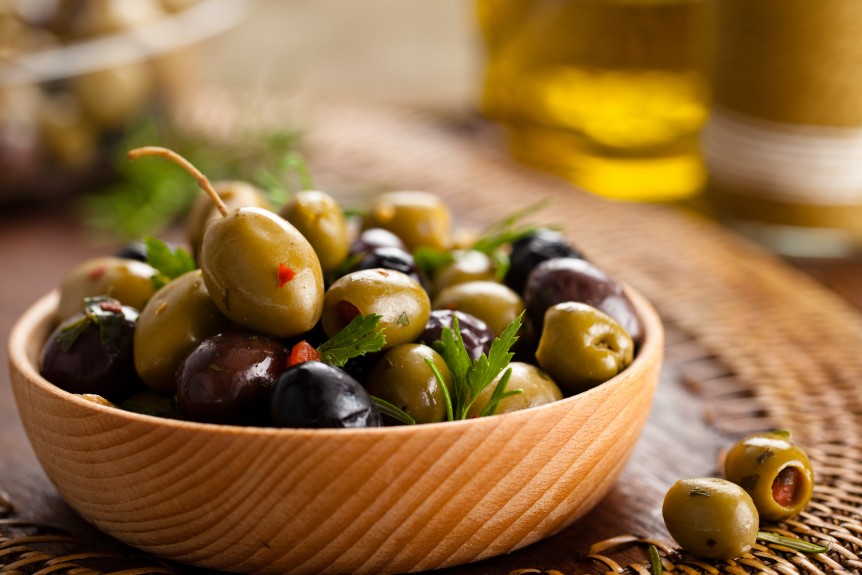
Note that there are hundreds of olive varieties, some might work better than others. Results may vary, so start with small quantities. And as with any produce that you plan to preserve, use only fresh, ripe  and spotless fruit. Read the entire article from Harald Zoschke on the Burn! Blog here.

Ingredients

1 lb. fresh olives
8 oz. sea salt
1 tbsp. fennel seeds
1 tsp. red pepper flakes
1 tsp. dried oregano
2 tsp. coarse sea salt or kosher salt
1 tbsp. olive oil

Instructions

Rinse the olives. We didn’t blanch our olives, but if you prefer, submerge olives in 90C (195F) hot water for 5-10 minutes.
Put a clean cheesecloth or kitchen towel in a strainer, fill in the olives and mix with 8 oz. of salt. Cover with cloth and let sit at a cool place for 20 days, mixing through every other day.
Rinse the olives, pat dry and place on a baking sheet. Drizzle with oil, sprinkle with some fennel seeds and coarse salt. Bake in the oven for 30-45 minutes at 100C (210F).
Let cool and put olives in a glass jar. Add fennel seeds, salt, pepper flakes, dried oregano and olive oil. Close jar and shake well until olives are coated evenly.
Store cool and dark, the olives should stay fresh for about 6 months. Use either as a snack, or in recipes like spicy pasta sauce or on pizza (pits removed).

tea smoked ribs

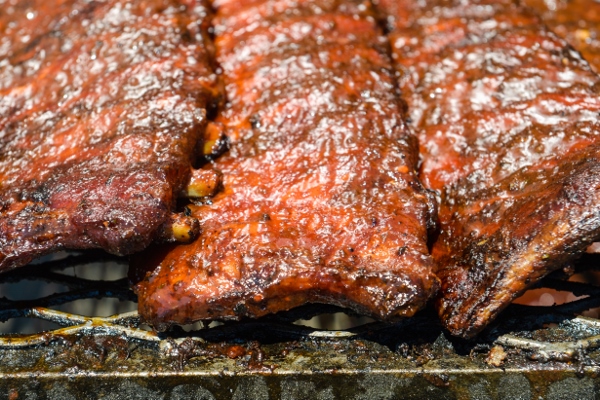
Tea-Smoked Country Style Pork Ribs

Dave DeWitt Recipes Leave a Comment

This is a style of smoking that hails from China’s Sichuan (formerly Szechuan) region, which is known for its hot, spicy cuisine. Serious Chinese food geeks may be familiar with Zhangcha duck—a tea-smoked Sichuan delicacy that’s tough to make but impressive as hell to anyone who’s never had it before. This is the recipe Mark Masker used for his rib experiment.  Read the entire article on the Burn! Blog here.

Ingredients

Rib Sauce
1/2 cup light soy sauce
1/2 cup dark brown sugar
1/2 teaspoon garlic powder
1/2 teaspoon dry crushed chile pods
3 pounds country-style pork ribs

Smoking Packet Mix:
1/2 cup black tea leaves (roughly 17 teabags for you infidels)
1/2 cup dark brown sugar
1/2 cup raw, long grain rice
2 cinnamon sticks, broken into small pieces
4-6 slices of fresh orange rind, 1 inch wide and 2-3 inches long

Instructions

Mix up the rib sauce, coat the ribs, and let them soak inside the fridge for three to five hours.  Meanwhile, mix up the smoking mix and prep your smoker. Once the coals are ready, you hot-smoke the ribs until they reach an internal temperature of 165 degrees F. (this will take roughly two or three hours).  I made four packets of smoking mix and changed them every half hour while brushing more sauce onto the ribs.

Zhangcha Duck

Zhangcha Duck

Dave DeWitt Recipes Leave a Comment

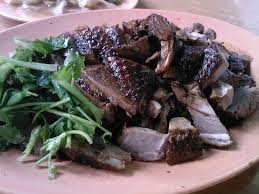
This is a style of smoking that hails from China’s Sichuan (formerly Szechuan) region, which is known for its hot, spicy cuisine. Serious Chinese food geeks may be familiar with Zhangcha duck—a tea-smoked Sichuan delicacy that’s tough to make but impressive as hell to anyone who’s never had it before. This is the recipe Mark Masker used for his experiment.  Read the entire article on the Burn! Blog here.

Ingredients

One 2 to 2 1/2-pound duck
1 1/2 tablespoons Sichuan pepper*
1 tablespoon ginger
1 tablespoon garlic powder
2 teaspoons salt
2 tablespoons rice wine
1/2 cup black tea leaves (preferably Oolong)

Instructions

First you want to clean the duck and open a slit about 3 ½ inches long at the back of it so you can remove the guts. Then, mix everything but the duck and the tea. Marinate the duck in that concoction in the fridge for several hours. Place the duck into boiling water to tighten the hide. This ensures that your duck will have a crispy skin after you’re done cooking it. While that’s going on, you should start preheating enough vegetable oil or peanut oil in a separate pan to deep-fry the duck later on. Drain the water from the duck, and move it over to your heated wok. The tea sits in the bottom of the wok while you smoke the duck in it for 10-15 minutes. After that, steam the duck for 10 more minutes. Think you’re done? Not quite. Let the duck cool off, then deep-fry it in the oil until the skin is crisp. It goes great with rice, veggies, and Chinese dumplings.

Spicy-Lentil-Stew-with-Killer-Sausage

Spicy Lentil Stew with Killer Sausage

Dave DeWitt Leave a Comment

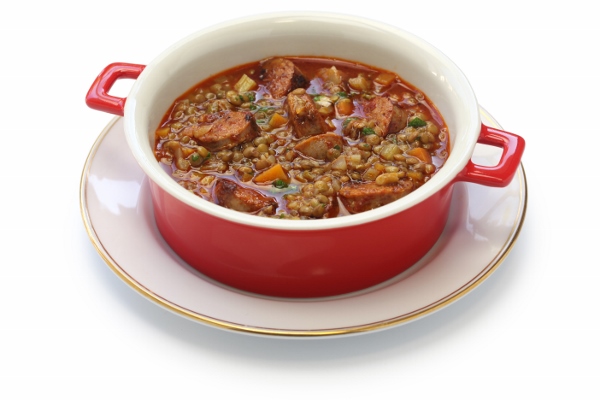
This stuff freezes well, it’s hearty, and you can adjust the heat level easily up or down, simply by adding more or less fresh habanero chile. The baseline heat level of the sausage is only warm, so if you want a real kick, add at least half a habanero to the pot. This features Mulay’s Killer Hot Italian Sausage, but you can use your favorite spicy Italian sausage.

Ingredients

1/3 pound of bacon (about 5 slices), cut into 1/4-inch strips
1 medium onion, chopped
2 large carrots, peeled and diced
3 large celery stalks, diced
1 teaspoon cumin powder
2 cloves garlic, minced
1/2 fresh habanero chile, stem and seeds removed, finely chopped (add more if you love it hot)
1 pound dry split red lentils, rinsed and cleaned
2 cups water
4 cups vegetable stock
1 tablespoon fresh thyme leaves, chopped (or substitute 1/2 teaspoon dry)
1 bay leaf
1 teaspoon salt
1/4 teaspoon black pepper
1/2 pound Mulay’s Killer Hot Italian Sausage (or substitute the Italian sausage of your choice, though it won’t be nearly as good)
1 teaspoon red wine vinegar
1/4 cup chopped fresh cilantro

Instructions

Heat a large 6-8 quart pot on medium heat. Add the bacon pieces and cook until browned. Remove the bacon pieces and set aside.
Heat the remaining bacon fat and add the carrots, onions, celery, and cumin. Sauté until softened and onions begin to turn translucent. Add the garlic and habanero, and cook for another minute.
Return the cooked bacon to the pot and add the lentils, stock, water, thyme, bay leaf, salt, and pepper. Bring to a boil, then reduce the heat and simmer the stew, partially covered, until the lentils are tender—about 45 minutes.
Brown the sausage links in a separate skillet over medium heat until they are cooked through. Remove from the pan and slice into bite-sized pieces when slightly cooled. Add the sausage to the stew during the last 10 minutes of cooking.
Add the sherry vinegar and cilantro to the stew, and adjust the salt and pepper to taste.