Zanzibar Heat and Other African Chiles

Dave DeWitt Africa Leave a Comment

Zanzibar, 1897 In the Kew Bulletin (1892, p. 88) the following information respecting chillies was given in an article on the Agricultural Resources of Zanzibar, contributed by Sir John Kirk, G.C.M.G., K.C.B. :— “The small red peppers or chillies are largely grown in the more dry and rocky part of the island, where the upheaved coral presents a honeycombed surface …

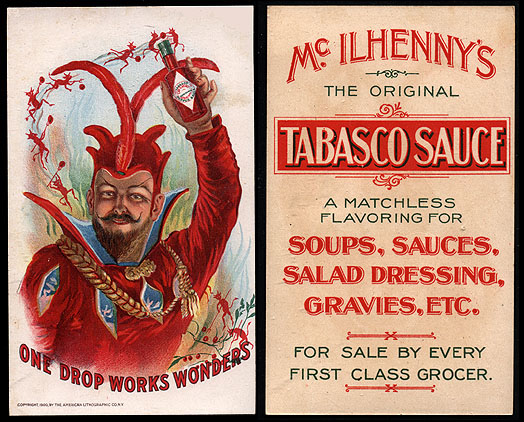
Victorian Tabasco Box, 1900

How the McIlhenny Company Protected Its Tabasco® Sauce Trademark

Dave DeWitt U.S.A. Leave a Comment

From: The Trade-mark Reporter, Volume 10. New York: United States Trademark Association, 1920. McIlhenny Company v. Ed. Bulliard District Court of the United States for the Western District of Louisiana April, 1920 Trade-marks—Geographical Terms—”tabasco.” The word “Tabasco” is a valid trade-mark as applied to a pepper sauce manufactured in Louisiana, it not being used as a geographical or descriptive term. …

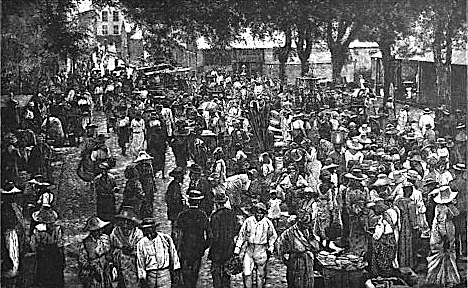
Old Marketplace

Hot Peppers of Martinique, 1887

Dave DeWitt Caribbean Leave a Comment

By Lafcadio Hearn Old Marketplace of the Fort, St. Pierre, Martinique Pimento is an essential accompaniment to all these dishes, whether it be cooked or raw: everything is served with plenty of pimento,—en pile, eti pile piment. Among the various kinds I can mention only the pimmt-cafe, or “coffee-pepper,” larger but about the same shape as a grain of Liberian …

Glossary

Glossary of Chile Pepper Terms

Dave DeWitt Chile History Leave a Comment

Compiled by Dave DeWitt From The Complete Chile Pepper Book Glossary of Specialized Pepper Terms Not included here are the names of the U.S. cultivars, which, after more than a century of breeding, number in the thousands and are too many to list. Achocolatado. “Chocolatety”; in Mexico, another name for pasilla, a reference to its dark brown color. Acorchado. “Corky”; …

Chiles Drying on Roof

Drying, Smoking, Powders, and Spice Blends

Dave DeWitt Processing and Putting Up Leave a Comment

By Dave DeWitt and Paul W. Bosland Drying is the oldest and most common way to preserve pepper pods and works well for most peppers—except for the very meaty ones such as jalapeños, which are smoke-dried and called chipotles (see below). To dry peppers, select those that have reached their mature colors, or are just starting to turn. If they …